

Residential solar energy has rapidly evolved from a niche alternative into a mainstream energy solution across the United States. Rising electricity costs, grid instability, and growing awareness around long-term energy planning are pushing more homeowners to explore solar as a viable option.
Installing solar panels is no longer just an environmental decision. For many households, it represents financial predictability, energy independence, and protection against future utility rate increases. Instead of being exposed to fluctuating energy prices, homeowners can stabilize a significant portion of their monthly expenses.
Before moving forward, most homeowners want clarity around a few key questions:
- How much do solar panels cost?
- How much can I realistically save?
- What does the installation process involve?
- Is my property suitable for solar?
This guide explores each of these questions in depth — from system mechanics to financial outcomes — and explains how digital platforms like FutureSolar.ai are simplifying the process through instant design and pricing technology.
How home solar energy works
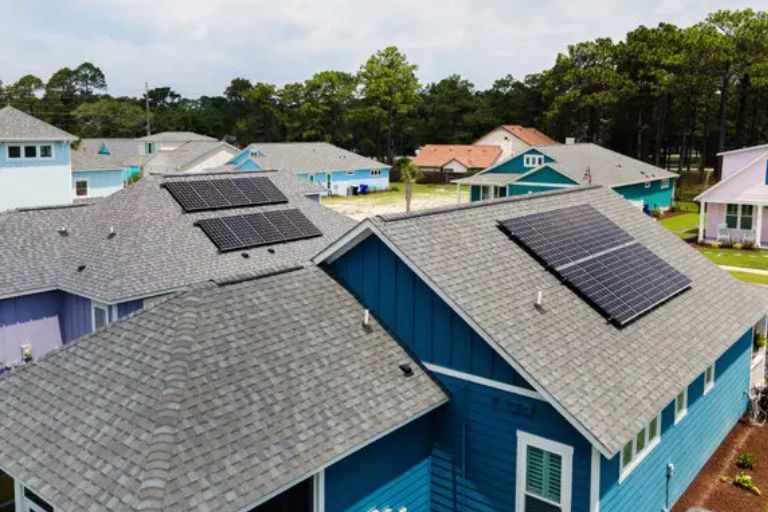
A residential solar energy system captures sunlight and converts it into usable electricity for your home. This process relies on photovoltaic technology, which allows solar panels to generate power when exposed to daylight.
The core components of a home solar system typically include:
- Solar panels installed on the roof
- An inverter that converts energy into usable electricity
- Optional battery storage systems
- Monitoring tools to track production and usage
During daylight hours, panels generate electricity that your home consumes in real time. If your system produces more energy than you use, the excess can be stored in batteries or exported to the grid depending on your configuration.
The result is a reduced reliance on utility providers and a measurable offset of your monthly electricity bill.
Is your home a good candidate for solar panels?
Solar viability depends on several structural and environmental factors. While many homes across the U.S. qualify for solar installation, system performance varies based on property characteristics.
Roof characteristics
The size, angle, and orientation of your roof play a central role in system productivity. Roofs that receive consistent sunlight throughout the day typically generate more electricity.
- Available installation space
- Sun exposure throughout the day
- Roof pitch and shading levels
Energy consumption
Households with higher electricity usage often see stronger financial returns because they offset a larger portion of their grid consumption. System sizing is directly linked to your historical energy demand.
Geographic sunlight exposure
Solar output varies by region, but modern design platforms analyze irradiance data automatically. Tools like those used by FutureSolar.ai evaluate sunlight exposure, shading, and roof geometry to generate optimized system layouts within minutes.
How much do solar panels cost in the United States?
Solar system pricing is influenced by multiple variables rather than a single fixed number. Each installation is tailored to the property and energy profile of the homeowner.
Key cost factors include:
- System size and production capacity
- Panel and inverter quality
- Battery storage inclusion
- Installation complexity
- Regional labor considerations
Because of these variables, accurate pricing requires system design rather than rough estimates. This is where instant quote technology becomes critical.
FutureSolar.ai allows homeowners to generate personalized solar pricing online by analyzing their address, roof layout, and consumption data. This removes guesswork and replaces it with transparent, data-driven projections.
With this approach, homeowners can clearly evaluate:
- Upfront system investment
- Available financing structures
- Estimated payback timelines
How much can you save with solar panels?
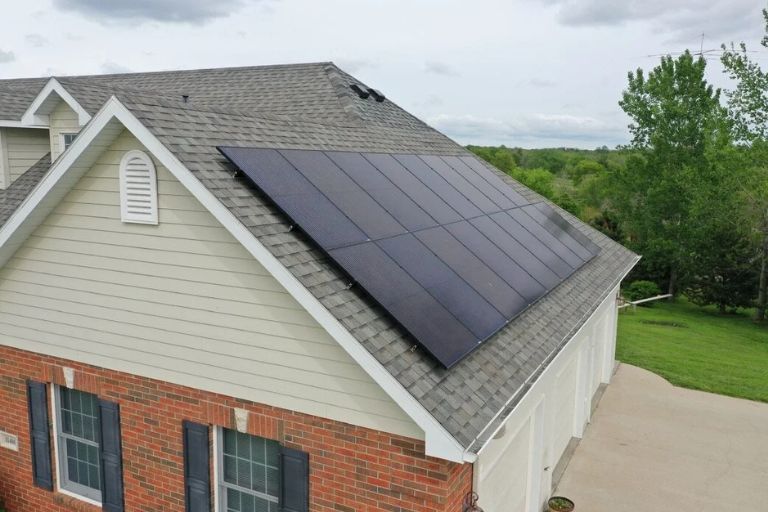
The primary financial benefit of solar lies in reducing reliance on utility electricity. By generating power on-site, homeowners offset a portion of their monthly energy consumption.
Projected savings depend on several factors:
- Local electricity rates
- Household energy usage
- System production output
- Financing model selected
Over time, solar provides insulation against rising energy costs. Instead of being fully exposed to market fluctuations, homeowners stabilize a portion of their energy spending.
FutureSolar.ai enhances this analysis by offering AI-driven savings simulations, helping homeowners visualize long-term financial outcomes before installation begins.
The role of technology in modern solar adoption
The residential solar journey has been transformed by automation and artificial intelligence. Historically, exploring solar required multiple in-home consultations, manual measurements, and extended proposal timelines.
Today, digital-first platforms streamline the experience.
Through automated system design engines, homeowners can:
- Receive instant solar quotes online
- Review optimized panel layouts
- Explore savings projections
- Compare equipment and financing options
FutureSolar integrates these capabilities into a single digital workflow, allowing homeowners to move from curiosity to clarity in a fraction of the traditional timeframe.
Understanding the solar installation process
While digital tools simplify system planning, the physical installation remains a structured, multi-phase operation managed by certified professionals.
A typical residential solar installation includes the following stages:
1. Initial system design
Your property data is analyzed to create a customized solar layout. This design accounts for roof dimensions, sunlight exposure, and projected energy production.
2. Pricing and proposal review
Homeowners review system specifications, savings projections, and financing structures. This stage ensures full transparency before moving forward.
3. Engineering and permitting
Technical validations and regulatory approvals are completed to ensure compliance with local codes and utility requirements.
4. Equipment installation
Certified installers mount panels, inverters, and electrical infrastructure. Installation timelines vary based on system size and site complexity.
5. Inspection and activation
Final inspections are conducted before the system is activated. Once connected, the home begins generating solar energy.
FutureSolar.ai coordinates with certified local installation partners to ensure each project meets performance and safety standards.
Solar equipment quality and system performance
System performance depends heavily on equipment quality. Higher-efficiency components generate more electricity and maintain output over longer lifespans.
Premium residential systems may include:
- High-efficiency solar panels
- Advanced inverter technology
- Integrated battery storage
- Real-time monitoring platforms
Selecting high-quality components supports stronger long-term production and improved financial returns.
Taking the first step toward home solar
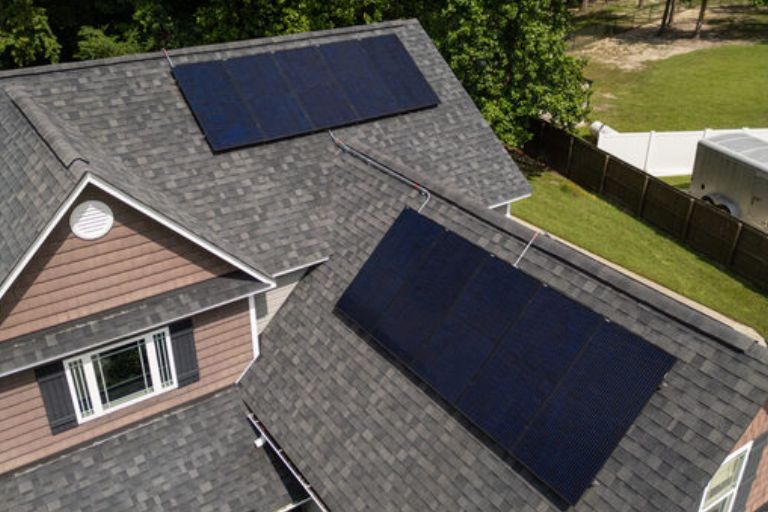
Adopting solar energy is both a financial and operational decision. Understanding system costs, projected savings, and installation stages helps homeowners move forward with confidence.
Digital platforms like FutureSolar.ai simplify this journey by offering instant system design and transparent pricing from the outset.
For homeowners evaluating solar, starting with a personalized quote and optimized system proposal is often the most practical first step toward energy independence.
